As a supplier of other products, one of the most frequently asked questions I encounter is whether we can provide a long – term supply of our offerings. In this blog, I’ll delve into this matter, exploring the factors that influence long – term supply and assuring potential buyers of our commitment to reliable, continuous provision. Other Products
Understanding the Concept of Long – Term Supply
Long – term supply is not just about having products on hand for an extended period. It involves a comprehensive strategy that encompasses production, sourcing, inventory management, and market analysis. For a supplier like me, ensuring a long – term supply means being able to meet the fluctuating demands of customers over an extended time frame, while maintaining consistent quality and reasonable prices.
Factors Affecting Long – Term Supply
1. Raw Material Sourcing
The availability and stability of raw materials are fundamental to long – term supply. I have established strong relationships with multiple raw material suppliers. This diversification helps to mitigate the risks associated with shortages or price fluctuations. For example, if one supplier experiences a disruption due to natural disasters or political unrest, I can quickly turn to other sources to maintain production.
I also conduct regular market research to anticipate changes in raw material prices and availability. By staying informed, I can make proactive decisions, such as stockpiling certain materials when prices are favorable, or adjusting production schedules to account for potential shortages.
2. Production Capacity
My production facilities are designed to be flexible and scalable. I have invested in modern machinery and technology to increase efficiency and productivity. This allows me to ramp up production when demand is high and scale back during slower periods.
Regular maintenance and upgrades of the production equipment are also crucial. By keeping the machinery in top – notch condition, I can minimize downtime and ensure a smooth production process. Additionally, I have a well – trained workforce that is capable of operating the equipment effectively and adapting to different production requirements.
3. Inventory Management
Effective inventory management is key to long – term supply. I use advanced inventory management systems to track stock levels in real – time. This enables me to optimize inventory levels, reducing the risk of overstocking or understocking.
I also implement a just – in – time (JIT) inventory strategy for some products. This approach allows me to reduce inventory holding costs while still being able to meet customer demand promptly. By closely monitoring customer orders and market trends, I can adjust inventory levels accordingly.
4. Market Trends and Demand Forecasting
Understanding market trends and accurately forecasting demand are essential for long – term supply. I analyze historical sales data, industry reports, and consumer behavior to predict future demand. This helps me to plan production schedules, adjust inventory levels, and make informed decisions about product development.
For example, if I notice a growing trend towards eco – friendly products, I can invest in research and development to introduce more sustainable options. By staying ahead of market trends, I can ensure that my products remain relevant and in demand over the long term.
Our Commitment to Long – Term Supply
I am fully committed to providing a long – term supply of our other products. We have a dedicated team that is constantly working to improve our supply chain management, production processes, and customer service.
We also have a quality control system in place to ensure that every product meets our high standards. From raw material inspection to final product testing, we conduct thorough checks at every stage of the production process. This helps to maintain consistent quality and build trust with our customers.
In addition, we are open to collaboration and communication with our customers. We understand that each customer has unique needs and requirements, and we are willing to work closely with them to develop customized solutions. Whether it’s adjusting product specifications, delivery schedules, or pricing, we are committed to finding the best way to meet their needs.
Benefits of Long – Term Supply for Buyers
For buyers, a long – term supply relationship offers several benefits. Firstly, it provides stability. They can rely on a consistent supply of products, which is crucial for their own business operations. This reduces the risk of production delays or shortages, allowing them to meet their own customer demands more effectively.
Secondly, long – term supply often leads to cost savings. By establishing a long – term relationship, buyers may be able to negotiate better prices and terms. This can result in significant cost reductions over time, improving their bottom line.
Finally, a long – term supply relationship fosters trust and collaboration. Buyers can work closely with the supplier to provide feedback, suggest improvements, and develop new products. This can lead to innovation and continuous improvement, benefiting both parties.
Conclusion

In conclusion, as a supplier of other products, I am confident in our ability to provide a long – term supply. Through careful management of raw material sourcing, production capacity, inventory, and market trends, we are well – positioned to meet the needs of our customers over the long term.
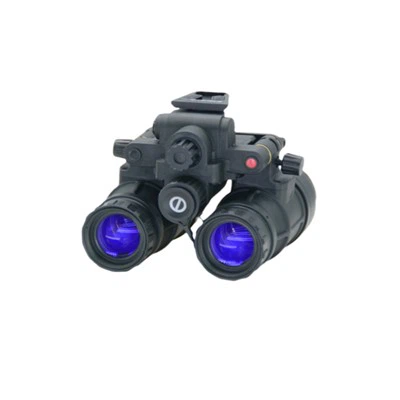
Thermal Binocualars If you are interested in purchasing our other products and would like to discuss a long – term supply agreement, I encourage you to reach out to me. I am more than happy to have a detailed discussion about your requirements, answer any questions you may have, and explore how we can work together to achieve your business goals.
References
- Principles of Supply Chain Management by David Simchi – Levi, Philip Kaminsky, and Edith Simchi – Levi
- Operations Management: Sustainability and Supply Chain Management by Jay Heizer, Barry Render, and Chuck Munson
- Inventory Management and Production Planning and Scheduling by Wallace J. Hopp and Mark L. Spearman
Shenzhen Detyl Optoelectronics Co., Ltd.
Address: 4th Floor, Building 3, Factory, No. 20, Second Industrial Avenue, Tangxiayong Community, Yanluo Street, Bao’an District, Shenzhen
E-mail: sales@detyl.com
WebSite: https://www.detyl.net/
