As a supplier of carbon steel strip, I’ve witnessed firsthand the profound influence of temperature on the properties of this versatile material. Carbon steel strip is a fundamental component in numerous industries, from automotive manufacturing to construction, and understanding how temperature affects its properties is crucial for ensuring optimal performance and quality in various applications. Carbon Steel Strip

1. Physical Properties
Density
Temperature has a direct impact on the density of carbon steel strip. As the temperature rises, the atoms in the steel gain kinetic energy and vibrate more vigorously, causing the material to expand. This expansion leads to a decrease in density. For example, at room temperature (around 20°C), carbon steel typically has a density of about 7.85 g/cm³. However, as the temperature increases to 1000°C, the density can decrease by several percent due to thermal expansion. This change in density can affect the weight and balance of components made from carbon steel strip, which is particularly important in applications where precise weight specifications are required.
Thermal Conductivity
Thermal conductivity is another physical property that is significantly influenced by temperature. Carbon steel is a good conductor of heat, but its thermal conductivity changes with temperature. At lower temperatures, the thermal conductivity of carbon steel is relatively high, allowing heat to transfer quickly through the material. As the temperature increases, the thermal conductivity decreases due to increased lattice vibrations and scattering of electrons. This decrease in thermal conductivity can have implications for applications where efficient heat transfer is essential, such as in heat exchangers or cooling systems.
2. Mechanical Properties
Strength and Hardness
Temperature has a profound effect on the strength and hardness of carbon steel strip. At room temperature, carbon steel has a certain level of strength and hardness, which is determined by its chemical composition and microstructure. As the temperature increases, the strength and hardness of carbon steel generally decrease. This is because the increased thermal energy allows dislocations in the crystal lattice to move more easily, reducing the material’s resistance to deformation.
For example, in the case of low – carbon steel, at room temperature, it has a relatively high yield strength and tensile strength. However, when heated to around 600 – 700°C, the yield strength can drop significantly, making the steel more malleable. On the other hand, when carbon steel is cooled rapidly (quenching), it can form a hard and brittle martensitic structure, which increases its hardness but reduces its ductility.
Ductility and Toughness
Ductility and toughness are also affected by temperature. Ductility refers to the ability of a material to deform plastically before fracture, while toughness is the ability to absorb energy before breaking. At lower temperatures, carbon steel tends to be more brittle, with reduced ductility and toughness. As the temperature increases, the material becomes more ductile and tougher.
For instance, in cold environments, carbon steel strip may be prone to brittle fracture, especially if it contains impurities or has a coarse grain structure. However, at elevated temperatures, the increased mobility of atoms allows the material to deform more easily, increasing its ductility and toughness. This is why in applications where the steel is subjected to impact loading, such as in machinery or structural components, the temperature conditions need to be carefully considered.
3. Microstructural Changes
Phase Transformations
Carbon steel undergoes various phase transformations as the temperature changes. At room temperature, carbon steel typically consists of ferrite and pearlite phases. As the temperature is raised above the critical temperature (Ac₁ for hypoeutectoid steels and Ac₃ for hypereutectoid steels), the ferrite and pearlite transform into austenite.
When the steel is cooled from the austenitic state, the transformation products depend on the cooling rate. Slow cooling results in the formation of ferrite and pearlite, while rapid cooling can lead to the formation of martensite, bainite, or a mixture of these phases. These different microstructures have different mechanical properties. For example, martensite is very hard and brittle, while ferrite – pearlite structures are more ductile.
Grain Growth
Temperature also affects the grain size of carbon steel. At elevated temperatures, the grains in the steel tend to grow. Grain growth occurs because the atoms have more energy to move and rearrange themselves, resulting in the coalescence of smaller grains into larger ones. Larger grain sizes generally lead to lower strength and hardness but higher ductility.
Controlling the grain size is crucial in carbon steel production. For applications where high strength is required, fine – grained steels are preferred. Heat treatment processes such as normalizing, annealing, and quenching – tempering are used to control the grain size and microstructure of carbon steel strip.
4. Corrosion Resistance
Temperature can also influence the corrosion resistance of carbon steel strip. In general, as the temperature increases, the rate of corrosion also increases. This is because higher temperatures accelerate the chemical reactions involved in corrosion, such as the oxidation of iron in the presence of oxygen and water.
In addition, temperature can affect the formation and stability of the passive oxide layer on the surface of carbon steel. At higher temperatures, the passive layer may break down more easily, exposing the underlying metal to further corrosion. However, in some cases, certain alloying elements can improve the corrosion resistance of carbon steel at elevated temperatures. For example, adding chromium to carbon steel can form a protective chromium oxide layer, which enhances the corrosion resistance even at high temperatures.
5. Implications for Applications
The temperature – dependent properties of carbon steel strip have significant implications for its applications. In the automotive industry, carbon steel strip is used in various components such as body panels, chassis parts, and engine components. The temperature variations during the operation of a vehicle, from cold starts to high – speed driving, can affect the performance and durability of these components. For example, the engine components may experience high temperatures during operation, and the carbon steel used in these parts needs to maintain its strength and hardness under these conditions.
In the construction industry, carbon steel strip is used in structural elements such as beams and columns. The temperature changes due to seasonal variations and environmental factors can affect the mechanical properties of these structures. For example, in cold climates, the steel may become more brittle, increasing the risk of fracture. Therefore, proper design and material selection are necessary to ensure the safety and reliability of the structures.
6. Our Role as a Carbon Steel Strip Supplier
As a carbon steel strip supplier, we understand the importance of temperature – related properties in different applications. We offer a wide range of carbon steel strip products with different chemical compositions and microstructures to meet the specific requirements of our customers. Our quality control processes ensure that the steel strip we supply has consistent properties, regardless of the temperature conditions it may encounter.
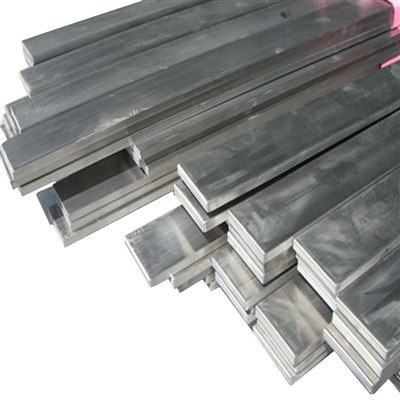
We also provide technical support to our customers, helping them to select the most suitable carbon steel strip for their applications. Our team of experts can offer advice on heat treatment processes, corrosion prevention, and other aspects related to the use of carbon steel strip.
Steel Bar If you are in need of high – quality carbon steel strip for your project, we invite you to contact us for a detailed discussion. We are committed to providing you with the best products and services to meet your needs.
References
- ASM Handbook, Volume 1: Properties and Selection: Irons, Steels, and High – Performance Alloys. ASM International.
- Callister, W. D., & Rethwisch, D. G. (2018). Materials Science and Engineering: An Introduction. Wiley.
- Totten, G. E., & Howes, M. A. (2003). Handbook of Steel Heat Treatment: Processes and Properties. CRC Press.
Shanxi Midas Industrial Co., Ltd.
We’re known as one of the most professional carbon steel strip manufacturers and suppliers in China. With abundant experience, we warmly welcome you to buy cheap carbon steel strip made in China here from our factory. For price consultation, contact us.
Address: 28th, Huanqiu Jinrong Zhongxin, Xieyuan Road, Changfeng Business District, Taiyuan City, Shanxi Province, China
E-mail: midassteel@163.com
WebSite: https://www.midassteel.com/
