Yo, what’s up, everyone! I’m a supplier of oleic acid derivatives, and I’ve been in this game for quite a while. Today, I wanna chat about the regulatory requirements for oleic acid derivatives. It’s super important for us in the biz to understand these rules, so let’s dig in. Oleic Acid Derivatives
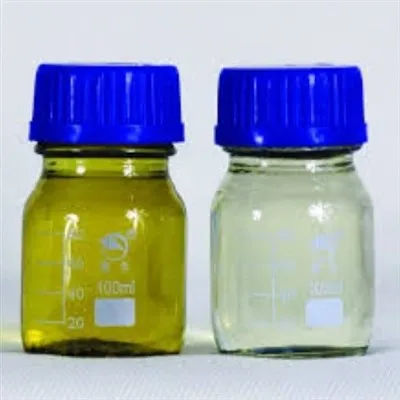
First off, what are oleic acid derivatives? Well, oleic acid is a monounsaturated omega – 9 fatty acid that’s commonly found in various plant and animal fats. Derivatives are basically compounds that are made from oleic acid through chemical reactions. These derivatives have a wide range of applications, from the food industry to cosmetics and even pharmaceuticals.
Food Industry Regulations
When it comes to using oleic acid derivatives in food products, there are a bunch of regulations we gotta follow. In the United States, the Food and Drug Administration (FDA) is the big boss. They have strict rules about what can and can’t be added to food.
For starters, oleic acid derivatives used in food must be Generally Recognized as Safe (GRAS). This means that they’ve been thoroughly studied, and experts agree that they’re safe for human consumption under normal use conditions. To get that GRAS status, a company has to go through a pretty rigorous process. It involves submitting data on the chemical composition, manufacturing process, and safety studies of the derivative.
The FDA also has limits on the amount of oleic acid derivatives that can be used in food. For example, if the derivative is used as an emulsifier, there are specific maximum levels based on the type of food product. This is to make sure that consumers aren’t getting too much of any one substance.
In Europe, the European Food Safety Authority (EFSA) is in charge. They have a similar process for evaluating the safety of food additives. They look at things like the toxicology of the derivative, how it’s metabolized in the body, and any potential allergenic effects. Once a derivative is approved by the EFSA, it gets an E – number, which is used to identify it in food products.
Cosmetics Regulations
Oleic acid derivatives are also widely used in cosmetics. In the US, the FDA regulates cosmetics, but the rules are a bit different compared to food. Cosmetics companies are generally responsible for ensuring the safety of their products. However, the FDA can step in if there are any safety concerns.
For oleic acid derivatives in cosmetics, they must meet certain quality and purity standards. There can’t be any harmful contaminants like heavy metals or microbial impurities. The manufacturing process has to be carefully controlled to ensure consistency and safety.
In the European Union, the situation is a bit more strict. The EU has a comprehensive cosmetics regulation that covers everything from the ingredients that can be used to the labeling requirements. Oleic acid derivatives used in cosmetics must be on the list of approved substances. And there are detailed rules about how the products should be tested for safety, including things like skin irritation and sensitization tests.
Pharmaceutical Regulations
When it comes to pharmaceuticals, the regulatory requirements are even more stringent. In the US, the FDA’s Center for Drug Evaluation and Research (CDER) is responsible for overseeing the development, approval, and marketing of drugs.
Oleic acid derivatives used in pharmaceuticals must go through a long and expensive drug development process. This includes pre – clinical studies in animals to evaluate safety and efficacy, followed by three phases of clinical trials in humans. Only after successful completion of these trials can a drug containing an oleic acid derivative be approved for market.
In Europe, the European Medicines Agency (EMA) has a similar process. They work closely with national regulatory authorities to ensure that drugs meet high – quality, safety, and efficacy standards. The EMA also has a system for post – marketing surveillance to monitor the safety of drugs once they’re on the market.
Environmental Regulations
We can’t forget about the environment, either. There are regulations regarding the disposal of oleic acid derivatives and their impact on the environment. In many countries, there are limits on the amount of these derivatives that can be released into waterways or soil.
Manufacturers have to follow proper waste management practices. This might include treating waste products to remove or reduce the concentration of oleic acid derivatives before disposal. There are also regulations about the use of solvents and other chemicals in the manufacturing process to minimize environmental pollution.
Compliance Challenges
Complying with all these regulatory requirements can be a real pain in the butt. For one thing, the regulations can vary from country to country. This means that if we want to sell our oleic acid derivatives globally, we have to navigate a whole bunch of different rules.
Another challenge is keeping up with the changes. Regulatory agencies are constantly updating their requirements based on new scientific research. We need to stay on top of these changes and make sure that our products and processes are always in line with the latest rules.
Why Compliance Matters
Even though it’s a hassle, compliance is super important. For one, it ensures the safety of consumers. Whether it’s in food, cosmetics, or pharmaceuticals, we want to make sure that our products are safe to use.
Compliance also helps to build trust with our customers. When they know that we’re following all the rules, they’re more likely to buy our products. And in a competitive market, trust can be a huge advantage.
Wrapping It Up and Reaching Out
So, that’s a quick rundown of the regulatory requirements for oleic acid derivatives. It’s a complex area, but it’s crucial for us in the industry to understand and follow these rules.
If you’re in the market for high – quality oleic acid derivatives and want to learn more about how we ensure compliance with all the regulations, I’d love to chat. Whether you’re in the food, cosmetics, or pharmaceutical industry, we’ve got the products and the knowledge to meet your needs. Just drop me a line, and we can start a conversation about your specific requirements and how we can work together.
Dithiophosphate Let’s make sure that your products are not only great but also fully compliant with all the necessary regulations. Looking forward to hearing from you!
References
- Food and Drug Administration (FDA) official publications on food additives and drug regulations.
- European Food Safety Authority (EFSA) reports on food safety evaluations.
- European Medicines Agency (EMA) guidelines on pharmaceutical development and approval.
- EU Cosmetics Regulation documents.
Bitop Bihope Qingdao Mining Co., Ltd
Bitop Bihope Qingdao Mining Co., Ltd. is one of the most professional oleic acid derivatives manufacturers and suppliers in China, featured by quality products and low price. Please rest assured to buy discount oleic acid derivatives in stock here and get quotation from our factory. Customized orders are welcome.
Address: Room 410, 4th Floor, Shengquan Business Building, No. 263 Yitong Road, Huangdao District, Qingdao City, Shandong Province, China
E-mail: btbhmining@163.com
WebSite: https://www.btbhmining.com/
