In the world of advanced materials, tantalum stands out as a remarkable element with a wide range of applications, from electronics to aerospace. As a supplier of tantalum products, I am often asked about the strength-to-weight ratio of these materials. This seemingly simple question delves into the heart of what makes tantalum so valuable in various industries, and understanding it can significantly impact the decision-making process for those looking to source high-quality materials. Tantalum Products

Understanding the Strength-to-Weight Ratio
The strength-to-weight ratio is a critical metric in materials science. It measures the strength of a material relative to its weight, providing a clear indication of how efficiently a material can perform under load. A high strength-to-weight ratio means that a material can withstand significant stress while being relatively light, making it ideal for applications where weight is a concern, such as in aerospace and automotive industries.
When it comes to tantalum, its strength-to-weight ratio is influenced by several factors, including its density, mechanical properties, and the specific form in which it is used. Tantalum is a dense metal, with a density of approximately 16.69 g/cm³, which is significantly higher than that of aluminum (2.7 g/cm³) or steel (7.85 g/cm³). However, despite its high density, tantalum exhibits excellent strength properties, which contribute to its favorable strength-to-weight ratio in certain applications.
The Mechanical Properties of Tantalum
Tantalum is known for its high melting point (2996 °C), excellent corrosion resistance, and good ductility. These properties make it a popular choice for a variety of applications, including chemical processing, electronics, and medical devices. In terms of strength, tantalum has a high tensile strength, which is the maximum stress a material can withstand before breaking under tension. The tensile strength of tantalum can vary depending on its purity, processing method, and the presence of any alloying elements.
For example, pure tantalum typically has a tensile strength of around 200 – 400 MPa (megapascals). However, when tantalum is alloyed with other elements, such as tungsten or molybdenum, its strength can be significantly increased. These alloys can have tensile strengths of up to 1000 MPa or more, making them suitable for applications that require high strength and durability.
Applications of Tantalum Based on Its Strength-to-Weight Ratio
Aerospace Industry
In the aerospace industry, weight is a critical factor, as every additional pound of weight can increase fuel consumption and reduce the overall efficiency of an aircraft. Tantalum’s high strength-to-weight ratio makes it an attractive material for use in aerospace components, such as turbine blades, rocket nozzles, and structural parts. Its ability to withstand high temperatures and corrosive environments also makes it suitable for use in harsh aerospace applications.
Electronics Industry
In the electronics industry, tantalum is widely used in the production of capacitors. Tantalum capacitors are known for their high capacitance, low leakage current, and excellent stability, making them ideal for use in high-performance electronic devices. The strength-to-weight ratio of tantalum is also important in this application, as it allows for the production of smaller, lighter capacitors without sacrificing performance.
Medical Industry
In the medical industry, tantalum is used in a variety of applications, including orthopedic implants and dental devices. Its biocompatibility, corrosion resistance, and high strength-to-weight ratio make it an ideal material for use in these applications. Tantalum implants can provide long-term support and stability, while also being lightweight and comfortable for the patient.
Comparing Tantalum with Other Materials
When comparing tantalum with other materials, it is important to consider the specific requirements of the application. While tantalum has a high strength-to-weight ratio in certain applications, it may not be the best choice for all situations. For example, aluminum has a much lower density than tantalum, which makes it a better choice for applications where weight is the primary concern. However, aluminum may not have the same level of strength or corrosion resistance as tantalum.
Steel, on the other hand, has a higher strength than tantalum in some cases, but it is also much heavier. In applications where strength and weight are both important, a combination of materials may be used to achieve the desired properties. For example, a steel structure may be reinforced with tantalum components to increase its strength and durability while reducing its overall weight.
Factors Affecting the Strength-to-Weight Ratio of Tantalum Products
The strength-to-weight ratio of tantalum products can be affected by several factors, including the purity of the tantalum, the processing method, and the presence of any alloying elements.
Purity
The purity of tantalum can have a significant impact on its strength-to-weight ratio. Higher purity tantalum typically has better mechanical properties and a higher strength-to-weight ratio than lower purity tantalum. This is because impurities can act as stress concentrators, reducing the overall strength of the material.
Processing Method
The processing method used to produce tantalum products can also affect their strength-to-weight ratio. For example, tantalum that is forged or rolled can have a higher strength-to-weight ratio than tantalum that is cast. This is because forging and rolling can align the grains of the material, increasing its strength and ductility.
Alloying Elements
The addition of alloying elements to tantalum can also affect its strength-to-weight ratio. As mentioned earlier, alloying tantalum with elements such as tungsten or molybdenum can increase its strength, while also maintaining its relatively high density. However, the choice of alloying elements and the amount of alloying can also affect the other properties of the material, such as its corrosion resistance and ductility.
Quality Control in Tantalum Product Manufacturing
As a supplier of tantalum products, quality control is of utmost importance. We ensure that our tantalum products meet the highest standards of quality and performance by using advanced manufacturing processes and strict quality control measures.
Our manufacturing process starts with the selection of high-quality raw materials. We source our tantalum from trusted suppliers and conduct thorough testing to ensure its purity and quality. Once the raw materials are received, they are processed using state-of-the-art equipment and techniques to produce the desired tantalum products.
During the manufacturing process, we conduct regular quality checks to ensure that the products meet the specified requirements. This includes testing the mechanical properties, chemical composition, and dimensional accuracy of the products. We also use non-destructive testing methods, such as ultrasonic testing and X-ray inspection, to detect any internal defects or flaws in the products.
Conclusion
In conclusion, the strength-to-weight ratio of tantalum products is a critical factor that determines their suitability for various applications. Tantalum’s high strength, excellent corrosion resistance, and good ductility make it an attractive material for use in industries such as aerospace, electronics, and medical. However, the strength-to-weight ratio of tantalum products can be affected by several factors, including the purity of the tantalum, the processing method, and the presence of any alloying elements.
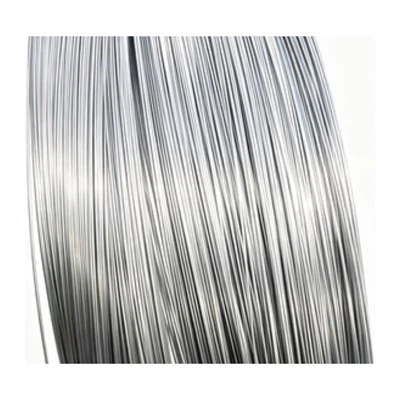
As a supplier of tantalum products, we are committed to providing our customers with high-quality materials that meet their specific requirements. Our advanced manufacturing processes and strict quality control measures ensure that our tantalum products have a favorable strength-to-weight ratio and excellent performance.
Tungsten Products If you are interested in learning more about our tantalum products or would like to discuss your specific requirements, please feel free to contact us. We look forward to the opportunity to work with you and provide you with the best possible solutions for your applications.
References
- ASM Handbook, Volume 2: Properties and Selection: Nonferrous Alloys and Special-Purpose Materials.
- Tantalum and Niobium: Science, Technology, and Applications, edited by E. F. Osborn and A. S. Russell.
- "Tantalum: Properties, Applications, and Market Trends" by the International Tantalum-Niobium Research Center (ITRC).
Address: Wangjing Science and Technology Park, Guangshun North Street, Chaoyang District, Beijing
E-mail: sales@moly-tungsten.com
WebSite: https://www.moly-tungsten.com/
