Hey there, folks! I’m a supplier of precious metal pastes, and today I wanna chat about the acoustic properties of these cool materials. You might be wondering, "What’s the big deal about the acoustic properties of precious metal pastes?" Well, stick around, and I’ll break it down for you. Precious Metal Pastes
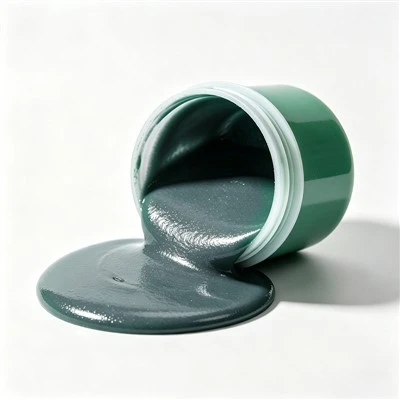
What Are Precious Metal Pastes?
First things first, let’s quickly go over what precious metal pastes are. They’re basically a mixture of fine precious metal particles, like gold, silver, platinum, or palladium, along with some organic binders and solvents. These pastes are used in a whole bunch of industries, from electronics to jewelry making. They can be printed or applied onto different substrates to create conductive paths, decorative elements, and all sorts of other cool stuff.
Why Acoustic Properties Matter
Now, you might be scratching your head and thinking, "Why do I care about the acoustic properties of these pastes?" Well, there are actually quite a few reasons. In the electronics industry, for example, acoustic properties can affect the performance of things like sensors and actuators. If a paste has the right acoustic properties, it can help these devices work more efficiently and accurately.
In the world of audio equipment, precious metal pastes can be used in the construction of speakers and other sound – producing devices. The acoustic properties of the paste can influence the sound quality, such as the frequency response, distortion, and overall clarity. So, getting the right acoustic properties is crucial for making high – quality audio gear.
Key Acoustic Properties
Density
One of the most important acoustic properties of precious metal pastes is density. Density affects how sound waves travel through the material. A denser paste will generally slow down the sound waves and can also absorb more energy. This means that if you want a paste that can dampen vibrations or reduce unwanted noise, a denser paste might be a good choice.
For example, in some electronic devices, we use denser precious metal pastes to reduce the acoustic noise generated by electrical components. The paste acts as a sort of sound barrier, absorbing and dissipating the sound energy before it can cause problems.
Elasticity
Elasticity is another key property. An elastic paste can deform under the influence of sound waves and then bounce back to its original shape. This is important because it allows the paste to interact with the sound waves in a way that can either enhance or modify the sound.
In audio applications, an elastic precious metal paste can be used to create a compliant layer between different components. This helps to improve the coupling between the components and can lead to better sound transmission and a more natural – sounding output.
Acoustic Impedance
Acoustic impedance is a measure of how easily sound waves can travel through a material. It depends on the density and the elastic properties of the paste. Matching the acoustic impedance of the paste to other materials in a system is crucial for efficient sound transfer.
For instance, when using precious metal pastes in the construction of speakers, we need to make sure that the acoustic impedance of the paste matches that of the diaphragm and the surrounding air. If there’s a big mismatch, a lot of the sound energy can be reflected back, resulting in a loss of sound quality.
Measuring Acoustic Properties
So, how do we measure these acoustic properties? Well, there are a few different techniques. One common method is using ultrasonic testing. We send ultrasonic waves through the paste and measure how they’re affected. By analyzing the changes in the wave’s speed, amplitude, and frequency, we can determine properties like density, elasticity, and acoustic impedance.
Another way is to use vibration testing. We apply a known vibration to a sample of the paste and measure how it responds. This can give us information about the paste’s ability to absorb or transmit vibrations, which is closely related to its acoustic properties.
Applications Based on Acoustic Properties
Electronic Sensors
In electronic sensors, precious metal pastes with specific acoustic properties can be used to improve sensitivity. For example, in pressure sensors, a paste with the right density and elasticity can help to convert pressure changes into electrical signals more accurately. The paste acts as a medium that transfers the mechanical energy from the pressure changes to the sensing elements.
Audio Equipment
As I mentioned earlier, precious metal pastes play a big role in audio equipment. In speakers, we use pastes with well – defined acoustic properties to enhance the sound quality. They can help to reduce distortion, improve the frequency response, and make the sound more balanced. For example, some high – end headphones use precious metal pastes in their drivers to achieve a more immersive audio experience.
Our Role as a Supplier
As a supplier of precious metal pastes, we understand the importance of acoustic properties. We work closely with our customers to develop pastes that meet their specific acoustic requirements. Whether they need a paste for a high – performance sensor or a top – of – the – line audio device, we’ve got the expertise to create the right product.
We use state – of – the – art manufacturing processes to ensure that our pastes have consistent and reliable acoustic properties. We also conduct rigorous quality control testing to make sure that every batch of paste meets our high standards.
Conclusion

So, there you have it, a quick rundown of the acoustic properties of precious metal pastes. I hope this has given you a better understanding of why these properties are so important and how they can be used in different industries.
Materials If you’re in the market for precious metal pastes and you’re looking for a supplier who understands the ins and outs of acoustic properties, we’re here to help. Whether you have a specific project in mind or just want to learn more about our products, don’t hesitate to get in touch. We’d love to have a chat and see how we can work together to meet your needs.
References
- "Introduction to Acoustics" by Allan D. Pierce
- "Materials Science for Engineers" by Henry A. Soderman
- Journal articles on precious metal applications in electronics and audio from IEEE publications
Tessvida Technologies Pte. Ltd.
As one of the most professional precious metal pastes manufacturers and suppliers in China, we also support custom service and OEM service. Please feel free to buy high quality precious metal pastes at competitive price from our factory. Welcome to view our website for more information.
Address: 5008, Ang Mo Kio Ave.5, #04-09, Techplace II, Singapore 569874
E-mail: info@tessvida.com
WebSite: https://www.tessvida.com/
