A sterilizer is a device designed to eliminate or kill all forms of microbial life, including bacteria, viruses, fungi, and their spores, from a given object or environment. In scientific and medical contexts, the term "sterilization" refers to the complete destruction of all viable microorganisms, as opposed to disinfection, which reduces the number of microorganisms to a level considered safe for a particular purpose. Sterilizer
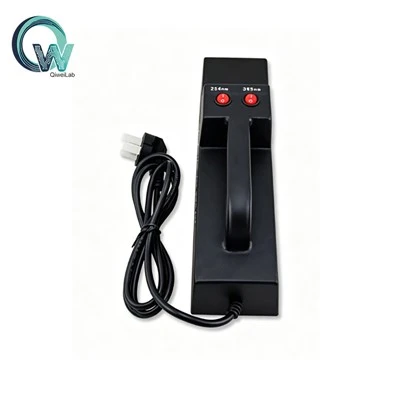
The concept of sterilization has been crucial in various fields, especially in healthcare, food processing, and laboratory settings. In healthcare, sterilization is essential to prevent the spread of infectious diseases and ensure the safety of medical procedures. For example, surgical instruments must be thoroughly sterilized before use to avoid introducing harmful pathogens into a patient’s body. Similarly, in the food industry, sterilization processes are used to preserve food products by eliminating spoilage – causing microorganisms and extending their shelf – life.
Types of Sterilizers
Steam Sterilizers
Steam sterilizers, also known as autoclaves, are among the most widely used sterilization devices. They operate on the principle that high – pressure steam can penetrate and destroy microorganisms. The heat from the steam denatures proteins and nucleic acids within the cells, leading to their death. The typical cycle of an autoclave involves heating water to produce steam, reaching a specific pressure (usually around 15 pounds per square inch) and temperature (around 121 – 134 °C), and maintaining these conditions for a set period (usually 15 – 30 minutes). Steam sterilizers are popular because they are effective, relatively fast, and can be used for a wide variety of materials, including most metal instruments, glassware, and some types of plastics.
Chemical Sterilizers
Chemical sterilizers use chemical agents to kill microorganisms. Commonly used chemicals include ethylene oxide, hydrogen peroxide, and glutaraldehyde. Ethylene oxide is a highly effective gaseous sterilant that can penetrate porous materials and kill a wide range of pathogens. However, it is also toxic and flammable, requiring special handling and facilities. Hydrogen peroxide – based sterilizers are becoming increasingly popular due to their relatively low toxicity and environmental friendliness. They can be used in both liquid and gaseous forms. For example, vaporized hydrogen peroxide sterilizers are used in pharmaceutical cleanrooms and some medical device manufacturing processes. Glutaraldehyde is a liquid chemical that can be used to sterilize heat – sensitive instruments, but it has a relatively long exposure time and can be irritating to the skin and respiratory system.
Dry – Heat Sterilizers
Dry – heat sterilizers use hot air to kill microorganisms. They work by oxidizing the cellular components of the microbes. The process typically requires higher temperatures and longer exposure times compared to steam sterilization. For example, a dry – heat sterilizer may operate at temperatures between 160 – 180 °C for 2 – 4 hours. Dry – heat sterilization is suitable for materials that cannot tolerate moisture, such as powders, oils, and some metal instruments.
Radiation Sterilizers
Radiation sterilizers use ionizing radiation, such as gamma rays or electron beams, to destroy microorganisms. Gamma rays are emitted from radioactive isotopes, usually cobalt – 60. They can penetrate deeply into materials and disrupt the DNA and other cellular structures of the microbes, preventing them from reproducing. Electron – beam sterilization uses high – energy electrons generated by an accelerator. Radiation sterilization is often used for the sterilization of single – use medical devices, pharmaceuticals, and some food products because it can be carried out at room temperature and does not leave any chemical residues.
Applications of Sterilizers
Medical and Healthcare
In the medical field, sterilizers are used in hospitals, clinics, dental offices, and other healthcare facilities. Surgical instruments, syringes, catheters, and other reusable medical devices must be sterilized after each use to prevent cross – contamination. Sterilizers are also used in the preparation of sterile solutions, dressings, and implants. In addition, in the field of microbiology and virology research, sterilizers are used to ensure the sterility of culture media, laboratory equipment, and experimental samples.
Food and Beverage Industry
The food and beverage industry relies on sterilizers to ensure the safety and quality of its products. Canning and bottling processes often involve heat sterilization to kill bacteria, yeasts, and molds that could cause spoilage. Ultra – high – temperature (UHT) sterilization is a common method used for milk and other beverages, where the product is heated to a very high temperature (around 135 – 150 °C) for a short period (a few seconds) to destroy pathogens while preserving the nutritional and sensory qualities of the product. In addition, food processing equipment, such as conveyor belts, mixers, and storage tanks, must be regularly sterilized to prevent the growth of harmful microorganisms.
Pharmaceutical Industry
The pharmaceutical industry has strict requirements for sterility. Sterilizers are used in the production of injectable drugs, vaccines, and other sterile pharmaceutical products. All raw materials, containers, and equipment used in the manufacturing process must be sterilized to ensure the safety and efficacy of the final products. In pharmaceutical cleanrooms, where the production environment must be kept free of contaminants, sterilization techniques are crucial for maintaining the required level of cleanliness.
As a Sterilizer Supplier
As a supplier of sterilizers, we understand the diverse needs of our customers across different industries. We offer a wide range of sterilization solutions, from compact bench – top autoclaves for small laboratories and clinics to large – scale industrial sterilizers for food processing plants and pharmaceutical manufacturers.
Our steam sterilizers are designed with the latest technology to ensure efficient and reliable sterilization. They are equipped with precise temperature and pressure control systems, as well as safety features to prevent over – pressurization and other hazards. Our chemical sterilizers are formulated to be effective against a broad spectrum of microorganisms while minimizing the impact on the environment and human health.

We also provide comprehensive after – sales service, including installation, maintenance, and training. Our team of experts is always on hand to answer any questions our customers may have and to help them choose the most suitable sterilizer for their specific applications.
Nephelometer If you are in need of a sterilizer for your business, whether it is for a medical facility, food processing plant, or laboratory, we invite you to contact us for a detailed discussion. We can provide customized solutions based on your requirements and help you achieve the highest level of sterilization efficiency and safety. Our goal is to be your trusted partner in providing high – quality sterilization equipment and services.
References
- Block, S. S. (ed.). (2001). Disinfection, Sterilization, and Preservation. Lippincott Williams & Wilkins.
- Russell, A. D., Hugo, W. B., & Ayliffe, G. A. J. (eds.). (1999). Principles and Practice of Disinfection, Preservation and Sterilization. Blackwell Science.
- World Health Organization. (2016). Guidelines on Hand Hygiene in Health Care: First Global Patient Safety Challenge Clean Care is Safer Care. World Health Organization.
Hangzhou Qiwei Instrument Co., Ltd.
Hangzhou Qiwei Instrument Co., Ltd. is one of the most reliable manufacturers and suppliers of sterilizer in China, featured by quality products and good service. Please rest assured to buy bulk durable sterilizer in stock here from our factory. We also accept customized orders.
Address: Room 101, Building 25, No. 488-1, Donghu North Road, Linping District, Hangzhou City, Zhejiang Province, China
E-mail: info@qiweilab.com
WebSite: https://www.qiweilab.com/
