Hey there! I’m a supplier of pin shafts, and I often get asked about the materials commonly used to make these little but crucial components. So, I thought I’d share some insights on the topic. Pin Shaft
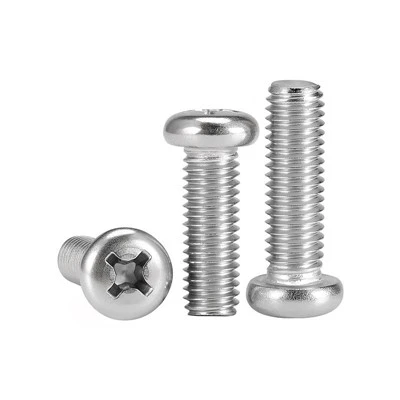
Steel – The Old Reliable
Steel is hands – down the most widely used material for pin shafts, and for good reason. First off, it’s got some great strength. Whether it’s a light – duty application like in a small machine or a heavy – duty one in industrial equipment, steel can handle the load.
There are different types of steel that we use. Carbon steel is super common. It’s fairly inexpensive, which makes it a top choice for high – volume production. Carbon steel pin shafts are tough and can withstand a good amount of wear and tear. For instance, in conveyor systems where the pins need to hold the belts together and keep the whole operation running smoothly, carbon steel pin shafts do a bang – up job.
Stainless steel is another steel option that we often turn to. It’s corrosion – resistant, which is a huge plus. You don’t have to worry about it rusting away, especially in environments where moisture or chemicals are present. Think about marine applications, like on boats or in docks. The constant exposure to water would quickly deteriorate a regular steel pin shaft, but stainless steel can stand up to it. It also has a nice, clean look, so it’s used in consumer products where aesthetics matter too, like in some high – end furniture hinges.
Alloy steel is a bit of a powerhouse. It’s made by adding other elements like chromium, nickel, or molybdenum to the basic steel composition. This gives it enhanced properties such as increased hardness, better fatigue resistance, and improved toughness. In automotive engines, alloy steel pin shafts are used in critical components like the connecting rods. They need to endure high – stress loads and constant movement without failing.
Brass – The Shiny Alternative
Brass is a great material for pin shafts, especially when electrical conductivity and corrosion resistance are important. It’s an alloy of copper and zinc, and it has a distinctive yellow – gold color that makes it stand out.
One of the big advantages of brass pin shafts is their low friction. This makes them ideal for applications where smooth movement is required, like in locks. The pins in a lock need to slide in and out easily, and brass provides that smooth glide.
Brass also has good electrical conductivity. In electronics, it can be used as a pin shaft in connectors and switches. It helps to ensure a reliable electrical connection while also protecting against corrosion. And because it’s relatively soft compared to steel, it can be machined easily. This means we can create complex shapes and precise dimensions for the pin shafts, which is really useful in custom – made products.
Aluminum – Light and Versatile
Aluminum is a lightweight option that’s becoming more and more popular for pin shafts. It’s about one – third the weight of steel, which makes it a go – to choice for applications where weight is a concern.
In the aerospace industry, every little bit of weight reduction matters. Aluminum pin shafts are used in aircraft components like control systems. They help to reduce the overall weight of the aircraft, which in turn improves fuel efficiency.
Aluminum is also corrosion – resistant, especially when it’s anodized. Anodizing is a process that creates a protective layer on the surface of the aluminum. This makes it suitable for outdoor applications, like in patio furniture or garden equipment. And just like brass, it’s easy to machine. We can quickly produce aluminum pin shafts in large quantities, which is great for mass – production projects.
Titanium – The Super – Star
Titanium is a high – performance material that’s used in some of the most demanding applications. It’s incredibly strong, yet it’s lightweight. In fact, it has a better strength – to – weight ratio than most other metals.
In the medical field, titanium pin shafts are used in orthopedic implants. The human body is a tough environment, and the pins need to be strong enough to support the bone while also being biocompatible. Titanium doesn’t cause any adverse reactions in the body, so it’s the perfect choice.
The sports equipment industry also loves titanium. It’s used in high – end bicycles, golf clubs, and even some running shoes. The strength and lightness of titanium make the equipment more responsive and easier to handle. The only drawback is that it’s relatively expensive compared to the other materials we’ve talked about. But for applications where performance is key, the cost is often worth it.
Plastic – The Affordable Option
Plastic might not be the first material that comes to mind when you think of pin shafts, but it has its own set of advantages. It’s cheap to produce, which makes it a great option for low – cost products.
Plastic pin shafts are often used in toys. They’re safe because they’re not as sharp as metal ones, and they can be easily colored to match the rest of the toy. They also have some damping properties, which means they can reduce noise and vibration.
In some low – load applications, like in small plastic enclosures or consumer electronics cases, plastic pin shafts work just fine. They’re easy to install and can hold things together without adding much weight. And with modern engineering plastics, we can get pretty good strength and durability out of them.
Choosing the Right Material for Your Project
As a pin shaft supplier, I know that choosing the right material is crucial. It depends on a few factors. First, think about the load the pin shaft will have to bear. If it’s a high – stress application, you’ll probably want to go with steel or titanium.
The environment is also important. If there’s a lot of moisture or chemicals around, stainless steel, brass, or anodized aluminum would be good choices. And if weight is an issue, aluminum or titanium are the way to go.
Cost is always a consideration too. If you’re on a tight budget, carbon steel or plastic might be your best bet.
At the end of the day, we’re here to help you make the right decision. Our team has a ton of experience, and we can provide you with samples and technical advice to ensure you get the perfect pin shafts for your needs.
If you’re in the market for pin shafts, don’t hesitate to reach out. We’d love to chat with you about your project, answer any questions you might have, and get you a great quote. Whether you need just a few prototype pin shafts or a large – scale production order, we’re ready to work with you.
Cold Forged Fasteners References
- "Metals Handbook" by ASM International
- "Engineering Plastics: Properties and Applications" by B. G. Ranby and J. F. Rabek
- "Aerospace Materials and Processes" by John Wiley & Sons
Wuyuan Jieyi Automotive Electrical Appliance Co., Ltd.
As one of the most professional pin shaft manufacturers and suppliers in China, we’re featured by quality products and good service. Please rest assured to wholesale bulk durable pin shaft in stock here from our factory. We also accept customized orders.
Address: No. 7 Likeng Road, Industrial Park Wuyuan County, Shangrao City, Jiangxi Province
E-mail: wyjydqz@163.com
WebSite: https://www.wyjydq.com/
