As a magnetic lock body supplier, I get this question at least a dozen times a week: “What’s the wear resistance of your magnetic lock bodies?” It’s the kind of question that seems straightforward on the surface, but scratch below it, and you’ll find it’s one of the most critical metrics for our customers—whether they’re equipping office buildings, retail stores, healthcare facilities, or residential properties. A lock that fails from too much use isn’t just an inconvenience; it’s a security risk. Over the past seven years in this business, I’ve fielded countless versions of this question, and I’ve learned that the answer isn’t a single number. It’s a combination of material science, engineering design, real-world testing, and an understanding of how people actually use locks. Magnetic Lock Body

Let’s start with the basics, because not everyone asking this question is a facilities manager or an engineer (though many are). A magnetic lock body—often called an electromagnetic lock or maglock—works on a simple principle: two core components, an electromagnet on the door frame and an armature plate mounted on the door, create a strong magnetic force when powered. When activated, that force pulls the door tight to the frame, holding it securely closed. To release it, you cut power, usually via an access control system, push button, or alarm signal. Unlike traditional mechanical locks with pins, springs, and moving parts that rub and wear out over time, maglocks have far fewer components that move relative to each other. That’s their biggest inherent advantage when it comes to wear resistance.
But don’t let that simplicity fool you. The wear resistance of a magnetic lock body isn’t just about how many times you can turn it on and off. It’s about how it handles the stress of real use: slamming doors, temperature fluctuations, humidity, dirt, and even accidental impacts. When customers ask for a wear resistance number, most are looking for cycles—how many times can the lock be activated and deactivated before it fails to hold its rated holding force? The short answer, based on our testing and industry standards, is that a quality maglock body will last between 500,000 and 1 million operating cycles. But let’s put that number in perspective. If a door is accessed 10 times a day, every day, that’s 3,650 cycles a year. At 500,000 cycles, that’s over 136 years of use. Even for a high-traffic office with 100 accesses a day, that’s 13 years. That’s a lot longer than most building leases, which means for nearly all commercial applications, a well-made maglock will outlast the space it’s installed in.
But how do we get that number? It’s not a guess. It comes down to the materials we use for the core components. The electromagnet’s coil, the heart of the lock, is wrapped in copper wire coated with a durable, heat-resistant enamel. We use solid copper, not stranded, because stranded wire can develop micro-fractures from repeated expansion and contraction as the coil heats up and cools down during activation. That micro-fracture leads to broken circuits, which is a common failure point for low-quality maglocks. The coil is housed in a rugged metal casing—we use industrial-grade zinc alloy or stainless steel, depending on the environment, because these materials resist corrosion and don’t bend or warp when exposed to temperature changes. Warping is a big one: if the casing bends even a fraction of a millimeter, the electromagnet and armature plate won’t align properly, which reduces holding force over time.
Then there’s the armature plate. This is the flat steel plate that bolts to the door, and it’s designed to mate perfectly with the electromagnet’s face. We use high-grade low-carbon steel for armature plates, because it’s highly permeable (meaning it generates a strong magnetic field) and it’s durable enough to handle the force of repeated activation. Low-quality armature plates use thin steel that can dent or get scratched, which creates a gap between the electromagnet and the armature, weakening the lock over time. Even small scratches or dirt buildup in that gap can reduce holding force by 20% or more, so we coat our armature plates with a thin, hard epoxy to resist scratches and keep them smooth even after years of use.
Of course, operating cycles aren’t the only measure of wear resistance. There’s also “wear from use” that doesn’t involve turning the lock on and off. For example, when a door is closed, there’s a small amount of misalignment—most doors aren’t perfectly plumb, and they settle over time. A maglock’s ability to maintain its holding force despite that misalignment is part of its long-term wear performance. We design our locks with a small air gap adjustment, usually up to 3 millimeters, that accommodates minor settling without putting extra stress on the components. Locks that don’t have this adjustment tend to pull unevenly over time, which wears out the coil or damages the armature plate, leading to premature failure.
We’ve also done real-world testing to back up our lab numbers. Last year, we worked with a large retail chain that was switching from mechanical locks to maglocks in 20 locations across the Southeast. One of their biggest concerns was wear resistance—their old mechanical locks needed to be replaced every two to three years because of heavy use in high-traffic entryways. We installed 120 of our standard-duty maglock bodies in these locations and tracked their performance over 18 months. We checked holding force every month, and not a single one had dropped more than 5% from its initial rating. We also monitored the number of activation cycles: by the end of the 18 months, the highest-traffic door had around 50,000 cycles, which is less than 10% of our rated 500,000 cycle life. That data matched our lab test results, and the retail chain recently ordered an additional 200 locks for their new locations.
But it’s important to note that not all maglock bodies are created equal. I’ve seen cheap imports that advertise 100,000 cycles, and when you open one up, you can see why: they use thin copper wire, plastic casings, and low-grade steel armature plates. Those locks might work for a few months, but after a year or two, they start to fail. We once had a customer send us a lock that had failed after only 10,000 cycles—they had installed it on a break room door that was opened and closed 20 times a day. When we took it apart, the coil wire was already broken from repeated flexing, and the casing had warped slightly from heat buildup. That’s the kind of wear we see when materials are cut to save costs. It’s not about the cycle number being higher or lower; it’s about the quality of the materials and the design that makes that cycle number reliable.
Another factor that affects wear resistance is the environment. If a maglock is installed outdoors, exposed to rain, snow, and extreme temperatures, it needs to be rated for outdoor use. Our outdoor maglock bodies have a sealed casing with an IP67 rating, which means they’re dust-tight and can be submerged in water up to 1 meter for 30 minutes. Without that sealing, moisture can get into the coil, cause rust, or short out the circuit—all of which lead to wear and premature failure. We also test our outdoor locks in temperature chambers, simulating -40°F to 140°F, to make sure the materials don’t expand or contract enough to affect the alignment between the electromagnet and armature. For a lock installed in a snowy, cold climate, that’s make-or-break.
Customers often ask if maintenance affects wear resistance. The good news is that maglocks require almost no regular maintenance, unlike mechanical locks that need lubrication or pin replacements. The only thing we recommend is checking the alignment between the electromagnet and armature plate once a year, and cleaning the contact surfaces with a soft cloth to remove any dirt or dust buildup. That simple step can keep holding force at full strength for years. We had a hospital customer tell us they’d had our maglocks installed in their emergency room for five years, and the only time they checked them was during a routine security audit—and they still had full holding force. That’s the kind of wear performance we’re proud of.
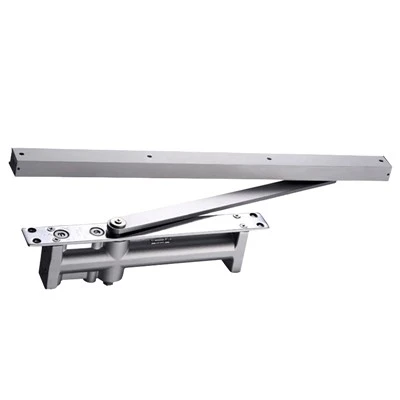
So, to circle back to the original question: what is the wear resistance of a magnetic lock body? It’s not a single number, but it is a reliable, long-lasting performance metric when the lock is designed and built with quality materials. For our standard-duty magnetic lock bodies, we back a 500,000 cycle life with our warranty, and for heavy-duty models used in high-traffic areas, we offer a 1 million cycle rating. That’s more than enough for nearly every application—from small offices to large skyscrapers, from schools to hospitals.
Door Lock At the end of the day, a lock’s wear resistance is about peace of mind. Our customers don’t want to worry about their door failing at a busy time, or having to replace locks every few years. That’s why we focus on designing maglock bodies that are built to last, backed by testing and real-world performance data. If you’re in the market for a magnetic lock body, don’t just look for a cycle number on a spec sheet. Ask about the materials, the testing, and the warranty. A cheap lock might save you money upfront, but it will cost you more in replacements and downtime down the line. If you have questions about which of our magnetic lock bodies is right for your application, or want to discuss bulk pricing and delivery, don’t hesitate to reach out. We’re here to help you find a lock that will meet your needs, today and for years to come.
References
- ANSI/BHMA A156.10-2017, Standard for Electromagnetic Locks
- Material Science and Engineering of Magnetic Materials, Elsevier, 2020
- Field Testing Report: Commercial Electromagnetic Lock Performance, International Association of Facilities Engineers, 2022
- Corrosion Resistance of Zinc Alloy Casings for Access Control Devices, Journal of Materials Protection, 2021
Jiangsu Wenzhong Lock Industry Co., Ltd.
As one of the most experienced magnetic lock body manufacturers and suppliers in China, we also support customized service. We warmly welcome you to wholesale bulk cheap magnetic lock body in stock here from our factory. If you have any enquiry about pricelist, please feel free to email us.
Address: Xiaoliang Industrial Park, Danyang City, Jiangsu Province
E-mail: Rongoo7@163.com
WebSite: https://www.wenzhonglocks.com/
