As a supplier of health food raw materials, I’ve witnessed firsthand the critical role that raw material quality plays in the health food industry. The quality of these raw materials not only affects the efficacy and safety of the final products but also determines the trust and satisfaction of consumers. In this blog, I’ll share some key aspects and methods for evaluating the quality of health food raw materials. Health Food Raw Materials
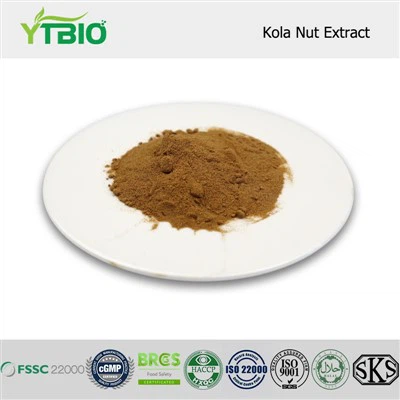
1. Source and Origin
The source and origin of health food raw materials are fundamental factors in quality evaluation. Different regions have unique environmental conditions, such as soil quality, climate, and water resources, which can significantly impact the nutritional composition and quality of raw materials.
For example, certain herbs grown in specific geographical areas are known for their superior quality due to the local climate and soil. Ginseng from Changbai Mountain in China is highly regarded for its high content of active ingredients like ginsenosides. When evaluating raw materials, it’s essential to trace their origin and understand the environmental conditions in which they were grown or produced.
We, as a supplier, always ensure that our raw materials come from reliable sources. We establish long – term partnerships with farmers and producers in regions known for high – quality agricultural products. By doing so, we can guarantee the initial quality of our raw materials.
2. Purity and Composition
Purity is a crucial indicator of the quality of health food raw materials. Impurities can not only reduce the effectiveness of the raw materials but also pose potential risks to consumers’ health.
To evaluate purity, various analytical techniques are used. For instance, high – performance liquid chromatography (HPLC) can be employed to determine the content of active ingredients in plant – based raw materials. Gas chromatography (GC) is often used to analyze volatile components.
In addition to purity, the composition of raw materials is also important. Different raw materials have different nutritional compositions, and the proportion of various components can affect their efficacy. For example, in fish oil, the ratio of EPA (eicosapentaenoic acid) and DHA (docosahexaenoic acid) is a key factor. A proper ratio can provide better health benefits, such as reducing inflammation and improving cardiovascular health.
We conduct regular quality control tests on our raw materials to ensure their purity and correct composition. Our in – house laboratory is equipped with advanced analytical instruments, and our experienced technicians perform strict testing procedures to meet the highest quality standards.
3. Microbiological and Chemical Safety
Microbiological and chemical safety is of utmost importance in health food raw materials. Microorganisms such as bacteria, fungi, and yeasts can contaminate raw materials during production, storage, and transportation, leading to spoilage and potential health risks.
To evaluate microbiological safety, we test for the presence of common pathogens such as Escherichia coli, Salmonella, and Staphylococcus aureus. We also measure the total viable count of microorganisms to ensure that the raw materials meet the relevant safety standards.
Chemical safety is another critical aspect. Pesticide residues, heavy metals (such as lead, mercury, cadmium, and arsenic), and other chemical contaminants can accumulate in raw materials. These contaminants can have long – term negative effects on human health. We use advanced detection methods to monitor the levels of these chemical substances and ensure that they are within the allowable limits.
4. Physical Characteristics
The physical characteristics of health food raw materials can also provide valuable information about their quality. Appearance, color, odor, and texture are some of the key physical indicators.
For example, in the case of herbal raw materials, the color should be consistent with the normal range for that particular herb. Any discoloration may indicate spoilage or improper storage. The odor should be characteristic of the raw material, and an unusual or unpleasant odor may suggest contamination or degradation.
Texture is also important. For instance, in powdered raw materials, the particle size and uniformity can affect the solubility and bioavailability. A fine and uniform powder is generally preferred as it can be more easily incorporated into health food products.
5. Processing and Storage Conditions
The processing and storage conditions of health food raw materials can have a significant impact on their quality. During processing, factors such as temperature, pressure, and time can affect the stability and activity of active ingredients.
For example, excessive heat during drying or extraction processes can cause the degradation of heat – sensitive components. Therefore, it’s important to use appropriate processing methods to preserve the quality of raw materials.
Storage conditions are also crucial. Raw materials should be stored in a clean, dry, and well – ventilated environment to prevent moisture, mold growth, and oxidation. We have strict storage protocols in place to ensure that our raw materials are stored under optimal conditions.
6. Certification and Compliance
Certifications and compliance with relevant regulations are important indicators of the quality of health food raw materials. Certifications such as organic certification, Good Manufacturing Practice (GMP) certification, and Hazard Analysis and Critical Control Points (HACCP) certification demonstrate that the raw materials meet certain quality and safety standards.
We are committed to obtaining and maintaining these certifications for our raw materials. This not only ensures the quality and safety of our products but also gives our customers confidence in our offerings.
7. Sensory Evaluation
Sensory evaluation is a simple yet effective method for quickly assessing the quality of health food raw materials. Trained sensory panels can evaluate the taste, smell, and appearance of raw materials.
For example, in the case of fruit – based raw materials, the taste should be fresh and characteristic of the fruit. Any off – flavors or unusual tastes may indicate spoilage or poor quality. Sensory evaluation can also detect any foreign odors or visual defects that may not be apparent through other testing methods.
8. Stability and Shelf – Life
The stability and shelf – life of health food raw materials are important considerations. Raw materials should be stable under normal storage and handling conditions to ensure their quality over time.
We conduct stability studies to determine the shelf – life of our raw materials. These studies involve monitoring the changes in the physical, chemical, and microbiological properties of the raw materials over a period of time. By understanding the stability and shelf – life, we can provide our customers with accurate information about the storage and use of our products.
Conclusion
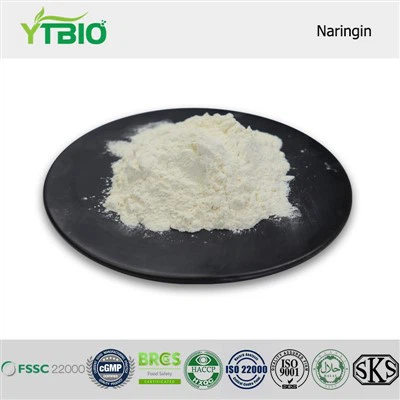
Evaluating the quality of health food raw materials is a comprehensive process that involves multiple aspects. As a supplier of health food raw materials, we are committed to providing high – quality products to our customers. By carefully evaluating the source, purity, safety, physical characteristics, processing, and other factors, we can ensure that our raw materials meet the highest standards.
Functional Cosmetics Raw Materials If you are interested in purchasing high – quality health food raw materials, we would be more than happy to discuss your specific needs. Our team of experts can provide you with detailed product information and technical support. Contact us to start a procurement negotiation and let us work together to bring the best health food products to the market.
References
- AOAC International. Official Methods of Analysis.
- European Pharmacopoeia.
- United States Pharmacopeia (USP).
Shaanxi Yuantai Biological Technology Co., Ltd.
Shaanxi Yuantai Biological Technology Co., Ltd. is one of the most professional health food raw materials manufacturers and suppliers in China, specialized in providing natural plant extracts with competitive price. We warmly welcome you to buy or wholesale bulk health food raw materials for sale here from our factory.
Address: NO.1 Plant, China Fnzyme Industrial Park, Economic Development Zone, Weinan City, Shaanxi, China
E-mail: sales@sxytbio.com
WebSite: https://www.sxytbio.com/
