As a supplier of FPC connectors, I’ve often been asked about the retention force of these crucial components. In this blog, I’ll delve into what the retention force of an FPC connector is, why it matters, and how it impacts various applications. FPC Connector
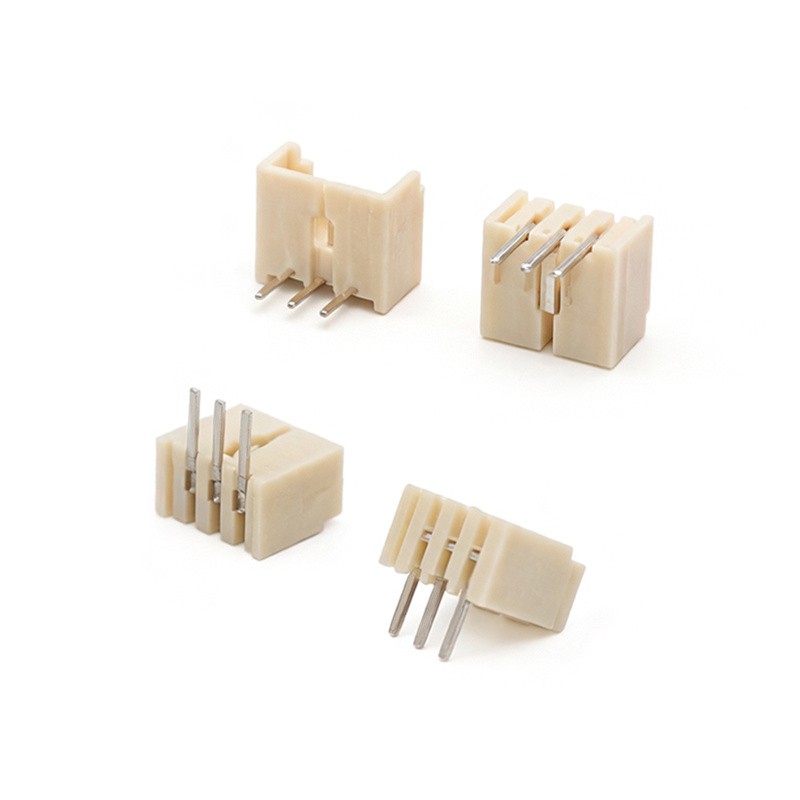
Understanding Retention Force
The retention force of an FPC (Flexible Printed Circuit) connector refers to the amount of force required to separate the FPC from the connector. It is a critical parameter that ensures the stability and reliability of the electrical connection between the FPC and the connector. This force is typically measured in newtons (N) and is influenced by several factors, including the design of the connector, the material of the FPC, and the manufacturing process.
Factors Affecting Retention Force
Connector Design
The design of the FPC connector plays a significant role in determining the retention force. For example, some connectors use a locking mechanism, such as a latch or a clip, to secure the FPC in place. These locking mechanisms can significantly increase the retention force, ensuring that the FPC remains firmly connected even under vibration or mechanical stress. Other connectors rely on friction to hold the FPC, and the design of the contact surfaces can affect the amount of friction and, therefore, the retention force.
FPC Material
The material of the FPC also affects the retention force. FPCs are typically made of a flexible substrate, such as polyimide, with copper traces printed on it. The surface finish of the FPC, as well as its thickness and flexibility, can influence the interaction between the FPC and the connector. For instance, a rougher surface finish may increase friction and improve the retention force, while a thinner or more flexible FPC may require a different connector design to ensure a secure connection.
Manufacturing Process
The manufacturing process of the connector can also impact the retention force. Precision manufacturing techniques ensure that the connector’s contact surfaces are properly aligned and have the right amount of force to hold the FPC. Any deviations in the manufacturing process, such as misaligned contacts or improper assembly, can lead to a decrease in the retention force and potentially cause connection issues.
Importance of Retention Force
Reliability
A high retention force is essential for ensuring the reliability of the electrical connection. In applications where the FPC connector is subjected to vibration, shock, or other mechanical stresses, a strong retention force prevents the FPC from becoming loose or disconnected. This is particularly important in automotive, aerospace, and industrial applications, where a reliable electrical connection is critical for the proper functioning of the system.
Signal Integrity
The retention force also affects the signal integrity of the electrical connection. A loose connection can result in intermittent signals, which can lead to data errors or malfunctions. By maintaining a strong retention force, the FPC connector ensures a stable electrical connection, minimizing the risk of signal loss or interference.
Longevity
A connector with a high retention force is more likely to have a longer lifespan. When the FPC is securely held in place, there is less wear and tear on the connector and the FPC, reducing the likelihood of premature failure. This can result in cost savings for the end-user, as they will not have to replace the connector or the FPC as frequently.
Measuring Retention Force
Measuring the retention force of an FPC connector typically involves using a specialized testing device. The FPC is inserted into the connector, and a pulling force is applied until the FPC is separated from the connector. The maximum force required to separate the FPC is recorded as the retention force. It’s important to note that the retention force can vary depending on the testing conditions, such as the speed at which the pulling force is applied and the orientation of the FPC.
Applications and Retention Force Requirements
Consumer Electronics
In consumer electronics, such as smartphones, tablets, and laptops, the retention force requirements are relatively low. These devices are typically not subjected to extreme mechanical stresses, and a moderate retention force is sufficient to ensure a reliable connection. However, as the demand for smaller and more lightweight devices increases, the design of the FPC connector must be optimized to provide a secure connection while minimizing the size and weight of the connector.
Automotive
In the automotive industry, the retention force requirements are much higher. Automotive applications are subjected to harsh environments, including vibration, temperature variations, and mechanical shocks. A high retention force is necessary to ensure that the FPC connector remains securely connected under these conditions. Additionally, automotive applications often require a high level of reliability, as a failure in the electrical connection can have serious consequences.
Industrial
Industrial applications also require a high retention force. Industrial equipment is often subjected to heavy use and harsh environments, and a reliable electrical connection is essential for the proper functioning of the equipment. In addition to high retention force, industrial connectors may also need to meet specific standards and regulations, such as IP ratings for dust and water resistance.
Our Approach as an FPC Connector Supplier
As an FPC connector supplier, we understand the importance of retention force and its impact on the performance of our products. We use advanced manufacturing techniques and high-quality materials to ensure that our connectors have a high retention force and meet the specific requirements of our customers.
We work closely with our customers to understand their application needs and develop customized solutions. Our engineering team has extensive experience in designing FPC connectors with the right retention force for various applications. We also conduct rigorous testing to ensure that our connectors meet the highest standards of quality and reliability.
Conclusion

The retention force of an FPC connector is a critical parameter that affects the reliability, signal integrity, and longevity of the electrical connection. Understanding the factors that influence the retention force and the specific requirements of different applications is essential for selecting the right FPC connector. As an FPC connector supplier, we are committed to providing high-quality connectors with the appropriate retention force to meet the needs of our customers.
Automotive Connector If you are in the market for FPC connectors and have specific requirements regarding retention force or other performance parameters, we would be delighted to discuss your needs. Our team of experts can provide you with detailed information and guidance to help you make the best choice for your application. Contact us to start a conversation about your FPC connector requirements and explore how we can work together to meet your needs.
References
- "Flexible Printed Circuit (FPC) Connectors: Design and Applications" – A technical guide on FPC connectors and their design considerations.
- "Automotive Electrical Systems: Reliability and Performance" – A book that discusses the requirements for electrical connectors in automotive applications.
- "Industrial Connector Standards and Regulations" – A document that outlines the standards and regulations for industrial connectors.
Wenzhou JKUN Connector Co., Ltd.
As one of the most professional fpc connector manufacturers and suppliers in China, we’re featured by quality products and low price. Please rest assured to wholesale bulk customized fpc connector from our factory. For quotation and free sample, contact us now.
Address: No.2667, Ningkang East Road, Yueqing City, Zhejiang Province, China
E-mail: sales@cnjkun.com
WebSite: https://www.jkunjcj.com/
