As a frame scaffolding supplier, I’ve had my fair share of experiences dealing with the pros and cons of this product. While frame scaffolding is a popular choice in the construction industry for its stability, ease of assembly, and cost – effectiveness, it’s not without its limitations, especially when it comes to mobility. In this blog, I’ll share some insights into these limitations based on my years of dealing with contractors, builders, and all sorts of construction folks. Frame Scaffolding
Fixed Structure, Limited Flexibility
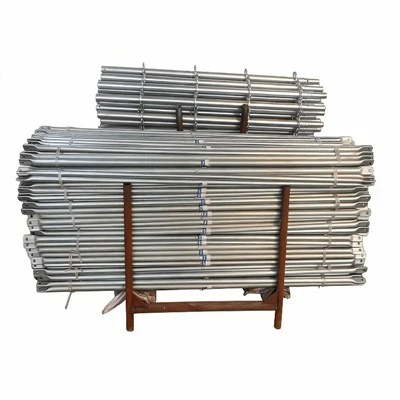
One of the most glaring limitations of frame scaffolding is its fixed structure. Frame scaffolding is made up of pre – fabricated frames that are connected together. Once these frames are assembled, they form a relatively rigid structure. This means it’s not very easy to move the scaffolding around during a project.
For example, if a construction crew needs to shift the scaffolding from one side of a building to another, they can’t just roll it over. They have to disassemble the entire structure, move the individual frames to the new location, and then reassemble it. This process is not only time – consuming but also labor – intensive. You’ve got to have a team of workers dedicated to taking apart and putting back together the scaffolding, which is a big hassle when you’re on a tight construction schedule.
Heavy and Bulky
Frame scaffolding is typically made of steel or aluminum, materials that are strong and durable but also heavy and bulky. This weight makes it difficult to transport and reposition the scaffolding. When we’re talking about moving a large frame scaffolding setup, it often requires specialized equipment like forklifts or cranes.
And these heavy machines are not always readily available on every construction site. Even if they are, using them adds to the cost of the project. You’ve got to factor in the rental cost of the equipment, the cost of the operators, and the time it takes to set up and operate them. For smaller construction projects or sites with limited access, moving this heavy – duty scaffolding can be a real headache.
Terrain Challenges
Another major limitation of frame scaffolding in terms of mobility is its sensitivity to the terrain. Frame scaffolding needs a flat and stable surface to be set up properly. If the ground is uneven, sloped, or soft, the scaffolding can become unstable, which is a huge safety risk.
On construction sites that have irregular terrain, like a building site on a hill or an area with a lot of debris, getting the frame scaffolding in place and keeping it stable is a real challenge. Not only do you have to spend extra time and effort preparing the ground, but you might also need to use additional support or leveling devices. And if the scaffolding needs to be moved to a different spot on the uneven terrain, all that ground – preparation work has to be done all over again.
Limited Height Adjustability on the Fly
In some construction projects, you may need to quickly adjust the height of the scaffolding as the work progresses. With frame scaffolding, this is not as easy as you might think. The height of frame scaffolding is usually adjusted by adding or removing frames. This process is not something that can be done in a jiffy.
If you’re in the middle of a job and suddenly realize you need to raise or lower the scaffolding, you’ve got to stop the work, disassemble or add the necessary frames, and then make sure the whole structure is stable again. This lack of quick height adjustability can slow down the construction process significantly, especially when compared to other types of scaffolding that offer more on – the – fly height adjustment options.
Assembly and Disassembly Time
As I mentioned earlier, the assembly and disassembly of frame scaffolding are time – consuming processes. Every time you need to move the scaffolding, you have to go through the whole rigmarole of taking it apart and putting it back together.
This time can add up, especially if you’re working on a project where the scaffolding needs to be repositioned frequently. The time spent on assembly and disassembly is time that could be spent on actual construction work. It also means that you need to have a well – trained crew to handle these tasks efficiently, which can be a challenge for some smaller construction companies.
The Impact on Project Costs
All these limitations related to mobility have a direct impact on project costs. The extra time spent on moving, assembling, and disassembling the scaffolding means higher labor costs. The need for specialized equipment for transportation and the additional ground – preparation work also add to the overall cost of the project.
For contractors, these costs can eat into their profit margins. And in a competitive construction market, every extra dollar spent on scaffolding mobility can make a big difference. It’s important for us as suppliers to be aware of these limitations and help our customers find solutions to minimize these additional costs.
What Can We Do?
Even though frame scaffolding has these limitations, it’s still a great option for many construction projects. As a supplier, I always try to work with my customers to find ways to overcome these mobility challenges.
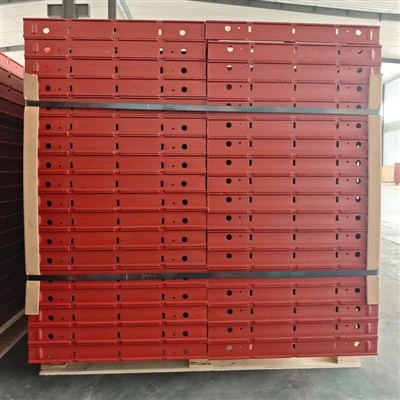
For example, if a customer has a project where the scaffolding needs to be moved frequently, I might suggest using a smaller, more modular frame scaffolding system. These systems are easier to disassemble and reassemble, and they can be moved around more quickly.
I also recommend that customers plan their scaffolding setup in advance. By carefully considering the layout of the construction site and the movement requirements of the scaffolding, they can minimize the need for frequent repositioning.
Let’s Talk
Cuplock Scaffolding If you’re in the market for frame scaffolding and want to learn more about how to work around its mobility limitations, I’d love to have a chat with you. I’ve got years of experience in this industry, and I’m confident that I can help you find the right scaffolding solution for your project. Whether you’re working on a small home renovation or a large commercial construction project, I’m here to assist you. Just reach out, and we can start discussing your needs and how we can make your project a success.
References
- Construction Scaffolding Handbook, various industry experts.
- Scaffolding Safety and Efficiency Reports, multiple construction safety organizations.
- Interviews with construction contractors over the years.
Rizhao Wellfit Scafform Co., Ltd.
As one of the most professional frame scaffolding manufacturers and suppliers in China, we have world-leading production equipment and strong manufacturing capabilities. Please feel free to buy high quality frame scaffolding at competitive price from our factory.
Address: No. 7, Huasheng Road, Taoluo Town Industrial Zoon, Donggang District, Rizhao City
E-mail: sales@wfscafform.com
WebSite: https://www.wfscafform.com/
