In today’s rapidly evolving manufacturing landscape, the choice between plastic and metal parts is a critical decision for many industries. As a seasoned supplier of other plastic parts, I’ve witnessed firsthand the numerous advantages that plastic components offer over their metal counterparts. In this blog post, I’ll delve into the key benefits of plastic parts, highlighting why they’ve become the preferred choice for a wide range of applications. Other Plastic Parts

Lightweight and Cost-Effective
One of the most significant advantages of plastic parts is their lightweight nature. Compared to metal parts, plastics can be up to 70% lighter, depending on the specific material and design. This weight reduction translates into several benefits, including lower shipping costs, improved fuel efficiency in transportation applications, and reduced wear and tear on machinery.
For example, in the automotive industry, the use of plastic parts has become increasingly common in recent years. Car manufacturers are turning to plastics to reduce the weight of vehicles, which in turn improves fuel economy and reduces emissions. Plastic components such as bumpers, dashboards, and interior trim panels are not only lighter but also more cost-effective to produce than their metal equivalents.
In addition to their lightweight properties, plastic parts are often more cost-effective to manufacture than metal parts. The molding processes used to produce plastic parts, such as injection molding and blow molding, allow for high-volume production at a relatively low cost per unit. This makes plastic parts an attractive option for industries that require large quantities of components, such as consumer electronics, packaging, and automotive manufacturing.
Design Flexibility
Another major advantage of plastic parts is their design flexibility. Unlike metal parts, which are often limited by the constraints of machining and forming processes, plastic parts can be molded into virtually any shape or size. This allows designers to create complex geometries and intricate designs that would be difficult or impossible to achieve with metal.
For example, plastic parts can be designed with thin walls, complex curves, and internal features such as ribs, bosses, and threads. This design flexibility not only allows for more innovative and aesthetically pleasing products but also enables manufacturers to optimize the performance of their components. By tailoring the shape and structure of plastic parts to meet specific requirements, manufacturers can improve strength-to-weight ratios, reduce stress concentrations, and enhance overall functionality.
In addition to their geometric flexibility, plastic parts can also be easily customized with a variety of colors, textures, and finishes. This allows manufacturers to create unique and branded products that stand out in the marketplace. Whether it’s a sleek and modern finish for a consumer electronics device or a rugged and durable texture for an industrial application, plastic parts can be designed to meet the specific aesthetic and functional requirements of any project.
Corrosion Resistance
One of the main drawbacks of metal parts is their susceptibility to corrosion. When exposed to moisture, chemicals, or other corrosive environments, metal parts can rust, corrode, or deteriorate over time. This can lead to a loss of strength, functionality, and aesthetic appeal, as well as increased maintenance costs and downtime.
In contrast, plastic parts are highly resistant to corrosion. Most plastics are inherently non-reactive and do not rust or corrode when exposed to moisture or chemicals. This makes plastic parts an ideal choice for applications in harsh environments, such as marine, automotive, and chemical processing industries.
For example, in the marine industry, plastic parts are widely used for applications such as boat hulls, decks, and fittings. These parts are exposed to saltwater, sunlight, and other harsh conditions, which can cause metal parts to corrode and deteriorate over time. By using plastic parts, boat manufacturers can ensure that their products are durable, long-lasting, and maintenance-free.
Electrical Insulation
Another advantage of plastic parts is their excellent electrical insulation properties. Unlike metal parts, which are conductive and can transmit electricity, plastic parts are non-conductive and can prevent the flow of electrical current. This makes plastic parts an ideal choice for applications in the electrical and electronics industries, such as circuit boards, connectors, and insulators.
For example, in the electronics industry, plastic parts are used to insulate electrical components and prevent short circuits. By using plastic parts, manufacturers can ensure that their products are safe, reliable, and free from electrical interference. In addition, plastic parts can be designed to have specific electrical properties, such as high dielectric strength and low electrical conductivity, which can further enhance their performance in electrical applications.
Noise and Vibration Dampening
Plastic parts have the ability to dampen noise and vibration, which can be a significant advantage in many applications. In machinery and equipment, excessive noise and vibration can cause discomfort for operators, reduce the lifespan of components, and even lead to safety hazards. By using plastic parts, manufacturers can reduce noise and vibration levels, improving the overall performance and reliability of their products.
For example, in the automotive industry, plastic parts are used in engine mounts, suspension components, and interior trim panels to reduce noise and vibration. These parts absorb and dissipate energy, preventing it from being transmitted through the vehicle and reducing the amount of noise and vibration that is felt by the driver and passengers. In addition, plastic parts can be designed to have specific damping properties, which can be tailored to meet the specific requirements of each application.
Environmental Sustainability
In recent years, there has been a growing emphasis on environmental sustainability in the manufacturing industry. As a result, many companies are looking for ways to reduce their environmental impact and use more sustainable materials in their products. Plastic parts offer several environmental advantages over metal parts, making them a more sustainable choice for many applications.
For example, plastic parts can be recycled and reused, reducing the amount of waste that is sent to landfills. In addition, the manufacturing process for plastic parts typically requires less energy and produces fewer greenhouse gas emissions than the manufacturing process for metal parts. This makes plastic parts a more environmentally friendly option for industries that are looking to reduce their carbon footprint.
Conclusion
In conclusion, the advantages of other plastic parts over metal parts are numerous and significant. From their lightweight and cost-effective properties to their design flexibility, corrosion resistance, electrical insulation, noise and vibration dampening, and environmental sustainability, plastic parts offer a wide range of benefits that make them the preferred choice for many applications.
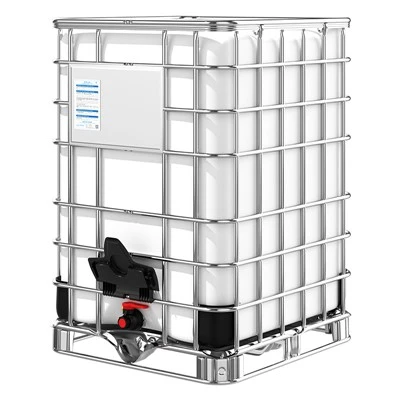
As a supplier of other plastic parts, I’m committed to providing my customers with high-quality, innovative, and sustainable solutions that meet their specific needs and requirements. Whether you’re looking for plastic components for the automotive, electronics, packaging, or any other industry, I have the expertise and experience to help you find the right solution.
IBC Valve If you’re interested in learning more about the advantages of plastic parts or would like to discuss your specific requirements, please don’t hesitate to contact me. I’d be happy to answer any questions you may have and provide you with a free quote. Let’s work together to create the next generation of innovative and sustainable products.
References
- "Plastics in Automotive Applications: A Review," Journal of Plastics Technology, Vol. XX, No. XX, 20XX.
- "Design Considerations for Plastic Parts," ASME Design Engineering Technical Conferences, 20XX.
- "Corrosion Resistance of Plastics in Harsh Environments," Corrosion Science, Vol. XX, No. XX, 20XX.
- "Electrical Insulation Properties of Plastics," IEEE Transactions on Dielectrics and Electrical Insulation, Vol. XX, No. XX, 20XX.
- "Noise and Vibration Dampening in Plastic Components," Journal of Sound and Vibration, Vol. XX, No. XX, 20XX.
- "Environmental Sustainability of Plastic Parts in Manufacturing," Journal of Cleaner Production, Vol. XX, No. XX, 20XX.
Jiangsu Xinhuasheng Packaging New Materials Co., Ltd.
Jiangsu Xinhuasheng Packaging New Materials Co., Ltd. is one of the most professional other plastic parts manufacturers and suppliers in China, featured by quality products and low price. Please rest assured to wholesale durable other plastic parts in stock here and get quotation from our factory. Customized orders are welcome.
Address: No. 5 Tieta Road, Industrial Park, Guyang Town, Dantu District, Zhenjiang City, Jiangsu Province, China.
E-mail: manager@jsxhsgs.com
WebSite: https://www.xhsibc.com/
