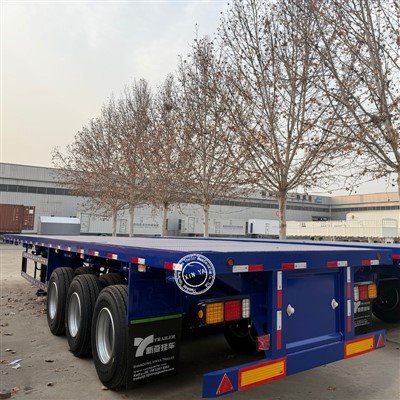
Hey there! I’m a supplier of low flatbed semi-trailers, and I often get asked about the cost of transporting these big rigs from the manufacturer to the buyer. It’s a question that doesn’t have a one-size-fits-all answer, as there are a bunch of factors that come into play. In this blog, I’ll break down those factors and give you a better idea of what to expect when it comes to transportation costs. Low Flatbed Semi Trailer
Distance
The first and most obvious factor is the distance between the manufacturer and the buyer. Just like with any kind of shipping, the farther the trailer has to travel, the higher the cost is going to be. This is because the carrier has to cover more ground, use more fuel, and potentially spend more time on the road. For short distances, say within a few hundred miles, the cost might not be too bad. But if you’re shipping a trailer across the country, you’re looking at a significantly higher price tag.
For example, if a buyer is located just a few hours away from our manufacturing facility, the transportation cost could be in the ballpark of $500 – $1,500. However, if the buyer is on the opposite coast, we’re talking anywhere from $3,000 to $5,000 or more. It really depends on the exact route and the carrier’s rates.
Size and Weight of the Trailer
Low flatbed semi-trailers come in all shapes and sizes, and their dimensions and weight can have a big impact on transportation costs. Larger and heavier trailers require more specialized equipment to move, which can drive up the price. They also take up more space on the carrier’s truck, meaning they can’t transport as many other items at the same time.
Our standard low flatbed semi-trailers typically range in length from 20 to 53 feet, and they can weigh anywhere from 10,000 to 20,000 pounds or more, depending on the materials used and the features included. A smaller, lighter trailer is generally going to be cheaper to ship than a larger, heavier one. If you’ve got a custom-built trailer that’s extra long or wide, you might even need to get special permits to transport it, which adds to the overall cost.
Type of Carrier
There are different types of carriers that can transport low flatbed semi-trailers, and each one has its own pricing structure. You’ve got your traditional trucking companies, which are the most common option. These companies have a fleet of trucks and drivers who are experienced in moving heavy equipment like trailers. They usually charge by the mile, but the rate can vary depending on factors like the time of year, the demand for shipping services, and the carrier’s own operating costs.
Then there are also specialized carriers that focus on transporting oversized or overweight loads. These carriers have the equipment and expertise to handle the unique challenges of moving large trailers, but they tend to be more expensive. If your trailer requires special handling or permits, you’ll probably need to go with a specialized carrier.
Time of Year
Believe it or not, the time of year can also affect the cost of transporting a low flatbed semi-trailer. During peak shipping seasons, like the summer and around major holidays, carriers are in high demand, and prices tend to go up. This is because there are more people looking to ship their goods, and carriers can charge a premium for their services.
On the other hand, during the slower months, like the winter (especially in areas with harsh weather conditions), carriers might be more willing to negotiate on price. They’re looking to fill up their trucks and keep their drivers busy, so you might be able to get a better deal.
Fuel Costs
Fuel is a major expense for carriers, and fluctuations in fuel prices can have a direct impact on transportation costs. When fuel prices are high, carriers will pass on some of that cost to the customer. This means that if you’re shipping a trailer during a time when fuel prices are soaring, you can expect to pay more for transportation.
It’s hard to predict exactly how fuel prices will fluctuate, but it’s something to keep in mind when you’re budgeting for the transportation of your low flatbed semi-trailer. You can keep an eye on fuel price trends and try to time your shipment when prices are lower if possible.
Insurance
Another cost to consider is insurance. When you’re shipping a valuable piece of equipment like a low flatbed semi-trailer, it’s important to make sure it’s protected in case of an accident or damage during transit. Most carriers offer insurance options, but you’ll need to pay a premium for coverage. The cost of insurance will depend on the value of the trailer and the level of coverage you choose.
It’s always a good idea to shop around and compare insurance quotes from different carriers to make sure you’re getting the best deal. And don’t forget to read the fine print to understand what’s covered and what’s not.
Route and Travel Conditions
The route that the carrier takes to transport your trailer can also affect the cost. Some routes are more challenging than others, with steep hills, winding roads, or narrow bridges. These conditions can slow down the carrier and require more effort to navigate, which can increase the price.
In addition, travel conditions like traffic, construction, and weather can also impact the transportation cost. If the carrier encounters delays due to these factors, they might need to charge more to cover their additional time and expenses.
Customization and Special Requirements
If your low flatbed semi-trailer has any custom features or special requirements, it could add to the transportation cost. For example, if the trailer has a unique shape or size that requires special handling or equipment, the carrier will need to make special arrangements, which can be more expensive.
Similarly, if you have specific delivery requirements, like a tight delivery window or a special location, the carrier might charge extra to accommodate those needs. It’s important to communicate all of your customization and special requirements upfront so that the carrier can give you an accurate quote.
Negotiation
The good news is that the cost of transporting a low flatbed semi-trailer is not set in stone. There’s often room for negotiation, especially if you’re willing to work with the carrier to find a mutually beneficial solution. You can try to negotiate on the price, the delivery date, or the terms of the insurance policy.
For example, if you’re flexible on the delivery date, the carrier might be able to offer you a better price by scheduling your shipment during a slower time. Or if you’re willing to pay for the insurance upfront, you might be able to get a discount on the transportation cost.
Conclusion
As you can see, there are a lot of factors that go into determining the cost of transporting a low flatbed semi-trailer from the manufacturer to the buyer. Distance, size and weight, type of carrier, time of year, fuel costs, insurance, route and travel conditions, and customization all play a role in the final price.

If you’re in the market for a low flatbed semi-trailer and want to get an accurate estimate of the transportation cost, I’d be happy to help. Just reach out to me, and we can discuss your specific needs and get you a quote. Whether you’re a small business owner looking for a single trailer or a large company in need of a fleet, I’ve got the expertise and resources to make sure your trailer gets to you safely and at a fair price.
Container Trailer Let’s chat about how we can make your low flatbed semi-trailer purchase a smooth and cost-effective experience. Don’t hesitate to contact me to start the conversation!
References
- Industry knowledge and experience as a low flatbed semi-trailer supplier.
- Discussions with trucking and shipping industry professionals.
Shandong Yuncheng Xinya Trailer Manufacturing Co., Ltd.
Shandong Yuncheng Xinya Trailer Manufacturing Co., Ltd. is one of the most experienced low flatbed semi trailer manufacturers and suppliers in China, featured by quality products and good service. Please rest assured to buy CE approved low flatbed semi trailer from our factory. Contact us for customized service and OEM service.
Address: No. 008, Hexie Road, Yangzhuangji Town, Yuncheng County, Heze City, Shandong Province
E-mail: fiona@xinyatrailer.com
WebSite: https://www.china-truckfactory.com/
