Hey there! If you’ve ever worked with pressure vessels—think industrial tanks holding super hot steam, pressurized chemicals, or stuff that needs to stay stable under serious load—you know ASTM/ASME pressure vessel steel isn’t just any old steel. As a supplier who’s spent years hooking up fab shops, refineries, and power plants with the right stuff, I get way too many questions about why these steels aren’t plain carbon steel. The short answer? It’s all about the alloying elements. They don’t just sit there looking pretty—each one plays a specific role that makes the steel safe, durable, and up to code. Let me break this down like I would to a new customer on a Tuesday morning, no stuffy textbook jargon. ASTM/ASME Pressure Vessel Steel
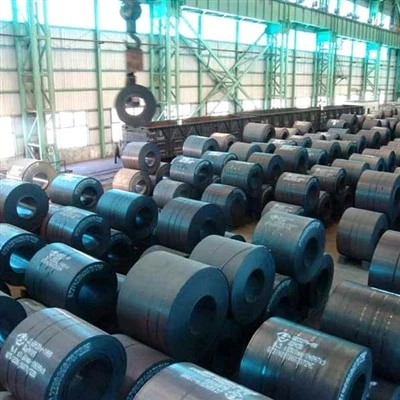
First, let’s do a quick refresher for anyone new to this: ASTM and ASME are the main codes you have to follow for pressure vessels, right? Like, if you’re building a tank that operates at 300 degrees and 150 psi, you can’t grab any steel off the shelf. It has to meet standards like ASTM A516 (for carbon steel plates, super common in low-to-medium pressure applications) or A387 (chromium-moly, for high-heat stuff like boiler drums). The alloying elements are the secret sauce that lets these steels hit those standards, and I’ve seen firsthand what happens when you skip the right mix—cracks, warping, even safety hazards. So let’s go through the key players one by one, what they do, and why it matters for your project.
Starting with the big one that’s almost in every pressure vessel steel: Manganese. If you’re looking at ASTM A516 Grade 70, you’re looking at about 1.25% manganese, right? Wait, why so much? Let’s keep it simple—manganese is like the matchmaker for carbon and iron. Plain iron and carbon can form weak spots when they cool, but manganese bonds with any oxygen or sulfur that’s floating around in the molten steel, which prevents those weak, brittle spots (called inclusions) from forming. Those inclusions can cause cracks when the steel’s under pressure, so removing them is non-negotiable. On top of that, manganese boosts tensile strength—so you can make thinner plates that still hold up to pressure, which saves material and cuts fabrication costs. I had a customer last year who tried using a lower manganese carbon steel for a small tank, and it failed hydro-test because the tensile strength was too low. Switched to our A516 with the right manganese level, and it passed with zero issues. Lesson learned: manganese isn’t optional here.
Next up, Carbon. Wait, carbon is in all steel, but pressure vessel steel has a strict limit—usually under 0.35% for most grades, sometimes even lower for ones that need good weldability. Why? Too much carbon makes steel super strong, but also super brittle. If you’re welding two plates together for a pressure vessel, high carbon can lead to cold cracking later when the vessel’s in operation. Think about it: if you’re heating steel to weld it, then letting it cool fast, too much carbon means the heat-affected zone (the part near the weld) becomes hard and brittle, like glass. That’s a disaster when you’re holding pressurized stuff. So we keep carbon in check—enough to get strength, but not so much that it ruins weldability. For example, ASTM A516 has a max carbon of 0.30%, so welders can use standard procedures without pre-heating the whole plate (which saves time and money).
Now, the elements that show up when you’re dealing with high heat or extreme pressure: Chromium and Molybdenum (we call it moly for short). These are the dynamic duo for high-temperature applications, like boiler tubes or reactors that run at 500°C and above. Take ASTM A387 Grade 11, which has about 1.25% chromium and 0.55% moly. Why both? Chromium adds oxidation resistance—so when the steel’s sitting at 550°C, it doesn’t rust or degrade, which would eat away at the plate thickness over time. Moly, on the other hand, is a heat strength rockstar. It prevents the steel from losing its strength when it’s hot. Plain carbon steel will soften like butter at those temps, but add moly, and it keeps its tensile strength, so the vessel doesn’t bulge or crack. I remember a refinery client a few years back who had a reactor that kept failing because they used regular carbon steel instead of our A387. It was running at 600°C, and after 18 months, the wall thinned enough to cause a leak. Switched to A387 Grade 22 (higher chromium and moly) and it’s been going strong for 5 years now. That’s the difference these two make.
Another key element: Nickel. Nickel shows up in some grades, especially when you need both high strength and good toughness at low temperatures. Think about vessels that hold liquefied natural gas (LNG) or work in cold climates, like the North Sea. If steel gets too cold, it becomes brittle—like how a glass bottle breaks if you drop it in snow. Nickel changes that crystal structure of the steel, making it tougher so it doesn’t shatter when it’s -40°C or lower. ASTM A553 is a common LNG steel, and it has around 9% nickel for that exact reason. Last winter, a client up in Canada was building a storage tank for cold winter diesel, and their original steel supplier sent a grade without enough nickel. When we tested the sample, it passed the Charpy V-notch test (the test that checks toughness at low temps) with flying colors, and their tank is good to go even when it’s -30 outside. Without nickel, that tank would have cracked the first cold snap.
Wait, what about Copper? It’s a small addition, usually under 0.4% in pressure vessel steels, but it’s not just there by accident. Copper helps with atmospheric corrosion resistance—so if the vessel’s sitting outside or exposed to humid air, it forms a thin, stable layer that stops further rust. It also helps with hardening, but only in small amounts, so it doesn’t hurt weldability. I’ve seen a few customers use our A516 with copper for outdoor storage tanks, and they’ve had way less maintenance than tanks made from steel without that copper addition.
Now, let’s talk about the bad guys that alloying elements help us avoid: Sulfur and Phosphorus. Even though they’re not “alloying” in a good way, the steel’s composition is tightly controlled to keep them way under 0.05% (usually way lower for pressure vessel grades). Sulfur is like a kryptonite for weldability—it makes the steel red-short, meaning it cracks when you’re working it at high temps. Phosphorus is bad because it makes steel cold-short, brittle at low temps. So the good alloying elements (manganese, etc.) aren’t just adding benefits—they’re balancing out these impurities to make the steel usable.
Here’s the thing that a lot of new fabricators don’t get: it’s not just the presence of these elements, it’s the amount and how they’re processed. Like, if you have too much manganese, you can make the steel too hard, which is bad for welding. If you have too little chromium, you won’t get the high-heat resistance you need. That’s why ASTM and ASME specify exact ranges for every element in each grade—so every supplier is on the same page. As a supplier, I don’t just sell steel that meets the minimum; we test every heat to make sure the alloy levels are within spec, because cutting corners here can lead to disaster down the line.
Let me wrap this up with what that means for you, the person buying pressure vessel steel. Whether you’re building a small workshop tank or a massive industrial boiler, the alloying elements in ASTM/ASME steel aren’t just random numbers on a mill test report. They’re the reason your vessel will hold up to pressure, heat, cold, or whatever environment it’s in. Manganese keeps it strong and clean, carbon balances strength and weldability, chromium and moly handle high heat, nickel gets you toughness in the cold, and we keep the bad impurities in check to avoid failures.
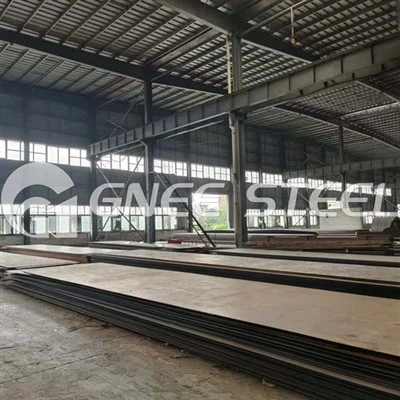
If you’re working on a project right now and not sure which grade you need, or if you’ve had trouble with past steel that didn’t hold up, I’m here to help. We’ve got all the common grades—A516, A387, A553, you name it—tested and ready to go, and we can walk you through exactly what alloy mix is right for your application. No confusing jargon, no pushing grades you don’t need, just honest advice and steel that meets the codes you have to follow. Reach out to us to talk through your project details, we’re here to make sure your pressure vessel is safe and built to last.
EN High Strength Steel Plate References
- ASTM International. (2022). Standard Specification for Pressure Vessel Plates, Carbon Steel, for Moderate and Lower Temperature Service (ASTM A516/A516M-22). West Conshohocken, PA: ASTM International.
- ASME Boiler and Pressure Vessel Code. (2023). Section II, Part D: Properties of Materials. New York, NY: The American Society of Mechanical Engineers.
- Callister, W. D., & Rethwisch, D. G. (2020). Materials Science and Engineering: An Introduction (10th ed.). John Wiley & Sons.
- Tuthill, A. H., & Schiller, R. E. (2018). Pressure Vessel Steels: A Practical Guide for Design and Fabrication. ASME Press.
Gnee Steel (Tianjin) Co., Ltd.
As one of the most professional astm/asme pressure vessel steel manufacturers and suppliers in China, we also support customized service with low price. We warmly welcome you to buy high quality astm/asme pressure vessel steel in stock here from our factory. If you have any enquiry about free sample, please feel free to email us.
Address: No.4-1114, Beichen Building, Beicang Town, Beichen District, Tianjin, China
E-mail: alloy@gneesteelgroup.com
WebSite: https://www.chinavesselplates.com/
